From espresso to sprezzatura: why Italian sounds so irresistible
You order a cappuccino, shout “bravo!” at a concert, or dream of la dolce vita. Without even noticing, you’re already speaking a little Italian. The language is everywhere—in our kitchens, fashion, music, and even in everyday speech. But what makes Italian so appealing? And why does gelato sound so much tastier than just “ice cream”?
In this blog, we dive into the charm of Italian words. From familiar favourites to the ultimate expression of effortless cool: sprezzatura.
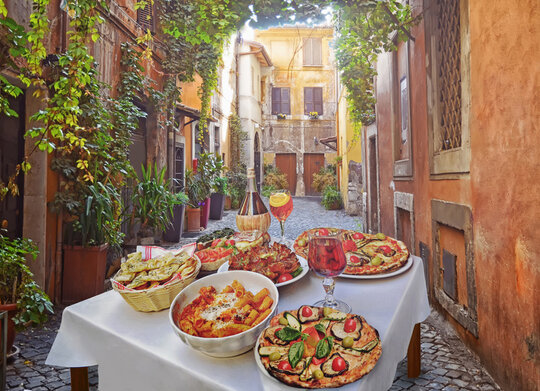
Italian in our daily lives
Italian is a language that sounds like music. Thanks to food, fashion, and music, many Italian words have found their way into our everyday language—espresso, piano, solo, moda, antipasti, bravo, and of course, ciao.
They’re practical, yes, but they also sound stylish. Italian has a magical way of giving even simple things a touch of elegance. Who wouldn't want to learn this beautiful language?
Why does Italian sound so good?
There are a few reasons why Italian feels so easy on the ears:
- Most Italian words end in a vowel, which makes them flow smoothly and musically.
- The idea of Italy brings images of sunshine, style, passion, and great food. That mood lives in the language.
- Even everyday words like gelato, bella figura, and ciao have a certain flair.
Famous examples we all know
Here’s a quick selection of Italian words that have become part of daily life, along with their original meanings:
Culinary Italian
- Espresso – literally means “pressed out”; it refers to the brewing method.
- Cappuccino – named after the colour of the Capuchin monks’ robes.
- Al dente – “to the tooth”, meaning cooked just firm enough.
- Antipasti – “before the meal”, a variety of traditional starters.
Italian in music
- Piano – soft, short for pianoforte (soft-loud).
- Forte – loud, a common music term.
- Solo – alone, used for performances by one person.
- Soprano – the highest vocal range, often the lead in an opera.
Fashion & design
- Stile – style.
- Moda – fashion.
- Diva – originally “goddess”, now used for a star (often with a dramatic edge).
- Bella figura – literally “beautiful figure”, but culturally it means much more.
Emotion & expression
- Bravo – well done! Originally masculine (brava is for women).
- Amore – love.
- Dolce vita – the sweet life, made famous by Fellini’s classic film.
- Tutti – everyone, often used in music or at the table (tutti a tavola! – everyone to the table!).
Learning Italian? Add a touch of sprezzatura
One of the most beautiful Italian words you can learn is sprezzatura. First used in the Renaissance, it means doing something with style and ease—even if it takes a lot of practice behind the scenes.
You see it in fashion and art, but also in the way people speak. When someone speaks Italian with sprezzatura, they sound confident and relaxed, never forced. And that’s exactly what we help you learn at Regina Coeli.
Learn Italian with the Nuns of Vught
Whether you do business in Italy, dream of a sabbatical in Tuscany, or just love learning languages for fun—we’ll help you speak Italian with confidence, flair, and a little sprezzatura.
At Regina Coeli—better known as the Nuns of Vught—you get more than grammar and vocabulary. You follow a personal, intensive Italian course focused entirely on your goals. Our trainers live and breathe the rhythm and culture of the language.
An Italian course at Regina Coeli
Want to speak Italian the way it was meant to be spoken? Choose a personal, intensive Italian course at Regina Coeli.
Read more about our Italian courses